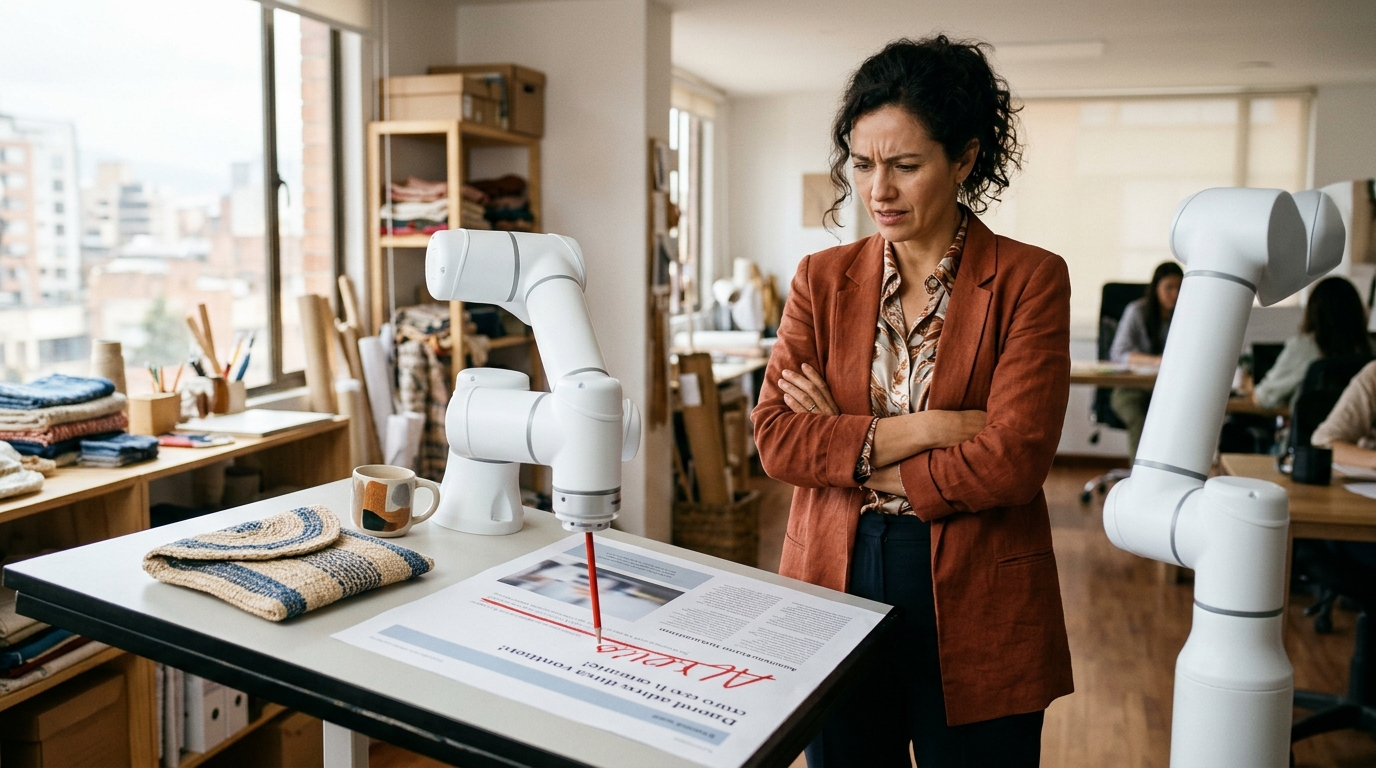
OpenAI told its advertisers on October 20 that it will turn on automatic creative enhancements by default in ChatGPT Ads. The feature can rewrite headlines and descriptions, translate the text, adjust images, and change the destination URL. All of this happens without you reviewing each version. As a ChatGPT Ads agency, we believe the change deserves a conscious decision before the deadline. In this article we explain what the feature does, what doubts it leaves open, and how to prepare if you advertise in the United States.

What are ChatGPT Ads automatic creative enhancements?
They are an Ads Manager option that lets OpenAI modify your ads automatically. According to PPC Land and The Keyword, it can change four elements. These are the headlines and descriptions, the language of the text, the size of the images, and the destination URL.
OpenAI says it draws on the conversation context or the user's interests, your original ad, and your landing page. Variations can be prepared in advance or generated in real time. The help page sums it up this way: you do not need to review or approve each enhanced version before it runs.
This contrasts with an earlier option from July. According to The Keyword, that drafting tool did ask the advertiser to approve each text. What is new is that now the default is to turn it on.
When does it take effect and what is the deadline to turn it off?
The sources give two dates. OpenAI's email to advertisers mentions Friday, October 30, 2026. OpenAI's help page, updated shortly before, says Thursday, October 29.
The prudent move is to take the earlier date. If you decide your setting before the 29th, you cover both cases. The email mentions new and existing self-serve campaigns. The help page makes no such distinction, and OpenAI has not clarified whether it includes other campaign types.
You can change the setting at any time from the account settings in Ads Manager. You can also do it per campaign, and the campaign setting overrides the account setting. If you had already turned the option off before, that decision is preserved.
Why does the destination URL matter more than the text?
The URL change is the most delicate part. According to The Keyword, OpenAI can send the click to another page on your site that it considers more relevant. You do not choose that page and you do not see it in advance.
This has practical consequences. A page with outdated prices or an expired promotion could end up in the ad text. A click could land on a page that was not designed to convert. And since reports do not show which version ran, it will be hard to know what worked.
OpenAI states that ads do not influence ChatGPT's answers and that they remain labeled as ads. It has not published performance data for these enhancements. It also does not explain how enhanced ads compare with the originals.
What does this mean for those who advertise in the United States?
The United States is the market where ChatGPT Ads has been running the longest. According to PPC Land, citing OpenAI, the pilot began on February 9, 2026 at a cost per thousand impressions of 60 dollars. On May 5 the self-serve Ads Manager opened to all businesses in the country, with cost per click bidding. Ads appear only on the Free and Go plans.
That history means many US advertisers already have active campaigns that will fall under the change. If you target a Hispanic audience, automatic translation deserves special attention. OpenAI has not explained how it decides when to translate or how it respects the language you chose. It is our own doubt, not a confirmed fact, but it is worth resolving before leaving a Spanish language campaign active.
It is also worth remembering the context of other news. On October 5 OpenAI announced visual ads alongside generated images, only in the United States, according to TechCrunch. Then, on October 21, it expanded ChatGPT Ads to 89 countries, 14 of them in Latin America, according to PPC Land. The channel is growing fast and the rules change with it.
How do you prepare before October 29?
This is a recommendation from our ChatGPT Ads agency, not an OpenAI procedure. First, review which campaigns you have active and which landing page each one uses. Second, decide per campaign whether you want the enhancements on or off. A good starting point is to turn them off on campaigns with changing prices, promotions, or regulated text.
Third, if you want to test them, do it in a limited campaign with a small budget. Write down the activation date so you can compare cost per conversion before and after. OpenAI offers no direct comparison between versions, so that note is your only reference. Fourth, review your landing pages and remove expired offers or old prices.
Two industry professionals reacted critically, according to Search Engine Roundtable and PPC Land. Anthony Higman said he would turn the feature off. Melissa Mackey said her team paused its ChatGPT Ads test because of poor lead quality. These are two individual opinions, not a survey, but they show the caution with which some are reading the change.
Consider a typical case, not real data but an example of how it might look. An online store for a Hispanic audience in the United States has a campaign with an end of month offer. Its agency notices that the landing page still shows the previous price. It fixes the page, turns the enhancements off in that campaign, and leaves them on in another with a smaller budget to compare results.
When does it make sense to work with a ChatGPT Ads agency?
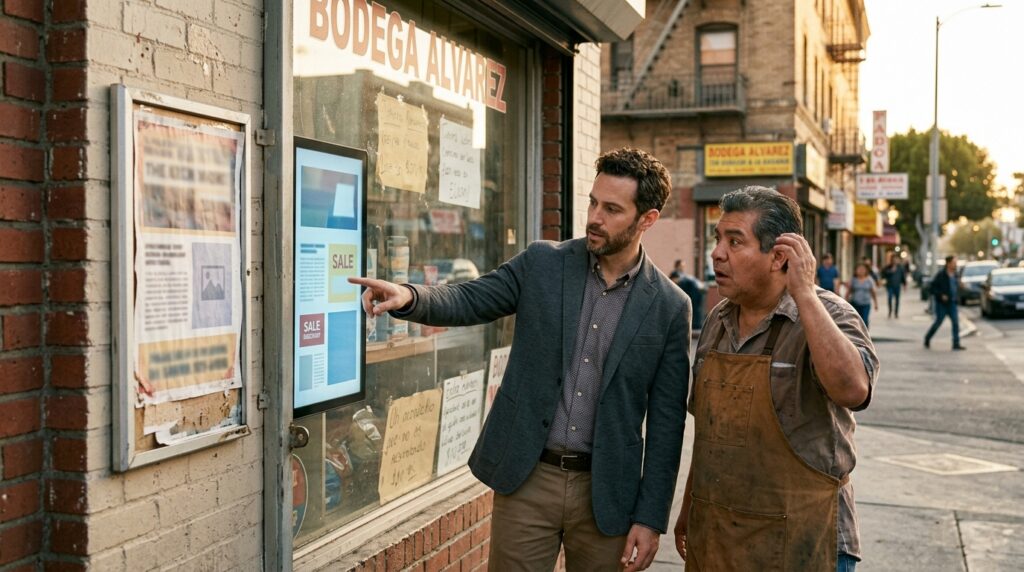
When you have several campaigns, changing prices, or text subject to rules, each automatic setting adds risk. A ChatGPT Ads agency can review your campaigns, organize your landing pages, and decide what to turn on and what not. It can also measure the effect before extending it to the whole account. If you want us to review your setup, you can contact the JP Director team.
This topic relates to others we have published. To get to know the channel from scratch, read our guide to ChatGPT Ads in the United States. And to see another case of an automatic feature turned on by default, review our analysis of Google Ads automated promotions.
Frequently Asked Questions
What are ChatGPT Ads automatic creative enhancements?
They are a feature that lets OpenAI rewrite headlines and descriptions, translate the text, adjust images, and change the destination URL of your ads. It is on by default and does not require you to approve each version.
When do I need to turn them off?
Before October 29, 2026, according to OpenAI's help page. The email to advertisers mentions October 30, so it is best to decide before the earlier date. It can be done at the account or campaign level.
Do these enhancements apply to my campaigns in the United States?
Probably yes. OpenAI's email mentions new and existing self-serve campaigns, and the self-serve Ads Manager has been open to US businesses since May. OpenAI has not limited the feature to certain markets, and it has not clarified whether it includes other campaign types.
Can I see which version of my ad was shown?
No, according to the sources consulted. Advertisers cannot preview each variation and reports do not show which version ran. That is why it is worth testing the enhancements in a limited campaign and comparing results.
Last updated: October 22, 2026. This article will be updated if OpenAI clarifies the exact date, the scope of the campaigns included, or how translations are handled.