
ChatGPT is already selling advertising inside the chat, and the United States is the market where the channel has been running the longest. OpenAI started testing ads there in February 2026, opened a self-serve Ads Manager in May, and has since built up more performance history than any other country where it operates. For a business speaking to the Hispanic audience within the United States, this is already a mature channel worth evaluating with real data, not guesses.

What do ads inside ChatGPT look like?
Ads appear below the model's normal response, clearly labeled as sponsored and visually separated from the organic content. OpenAI shows them based on the topic of the conversation, the person's chat history, and their past interactions with other ads, but advertisers never see the content of those conversations, they only receive aggregate information about how their campaigns perform.
The person using ChatGPT can dismiss an ad, review their ad history, adjust their personalization settings, or delete their ad data with a single tap. It is a noticeably more visible level of control than what Meta or Google offer within their own platforms.
Who sees these ads, and who does not?
Ads appear on the Free and Go versions of ChatGPT, always for logged-in adult users. The Pro, Business, Enterprise, and Education plans remain completely ad-free.
There is an interesting detail for anyone on the free version. It is possible to opt out of seeing ads, but in exchange you receive fewer free messages per day. In practice, OpenAI is charging for the absence of advertising in two different ways, with money on paid plans or with a lower usage limit on the free plan.
How are ads bought, and what can be targeted?
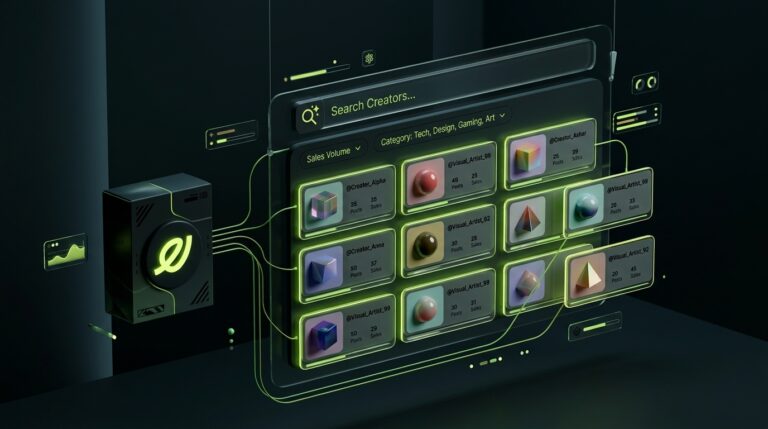
Since May 2026 there has been a self-serve Ads Manager, in addition to sales managed directly by OpenAI's own team and the option to work through technology partners like Criteo, Adobe, or AdRoll. The system supports cost-per-click and cost-per-thousand-impressions bidding, and OpenAI has said it plans to add more formats and buying options over time.
On the targeting side, advertisers can use product feeds, custom audiences, and targeting by platform and geographic location within the country. There is no keyword targeting like in Google Ads, because the system decides when to show an ad based on the context of the conversation, not on an explicit search.
How mature is the channel in the United States?
The United States is the market that has been running the longest, and for that reason it is the one with the most accumulated performance data so far. Almost all the cost and results metrics circulating in the industry come from US accounts, so any advertiser in the country already has more context for making decisions than in any other market where ChatGPT Ads is just arriving.
That does not mean the channel is fully mature. It is still young compared to Meta Ads or Google Ads, and targeting by conversation context instead of keywords or explicit interests is still a real learning curve for most marketing teams.
What we are already seeing at JP Director
At JP Director we started testing ChatGPT's Ads Manager with a real client account in the United States a few weeks ago. The first week generated around 45 leads, a strong start that beat what we expected from such a new channel. After that the volume dropped quite a bit, and the account now runs in a range of 5 to 6 leads per week.
Facing that drop, we made a creative adjustment focused more directly on the product instead of a generic brand message. It is still early to say whether that change reverses the trend, so we keep monitoring the account before drawing conclusions. What we can say for now is that the pattern looks similar to what we have seen on other new channels, a striking start driven by novelty, followed by a drop that calls for adjusting the message, not just the budget.

Is it worth testing already?
It depends on how comfortable your business is operating in a channel that is still young, without the optimization history that Meta Ads or Google Ads already have. Conversational targeting is different from what most advertisers are used to managing, and that means a real learning curve before finding the message that works.
For a Hispanic business operating in the United States that already invests in Meta or Google, testing ChatGPT Ads with a trial budget makes sense precisely because the country is the market with the most history on the platform. It is worth going in with realistic expectations about the initial learning curve, rather than expecting the same level of predictability already available on more mature channels.
We saw something similar when Higgsfield built its paid ads bundle on top of GPT-6 Astra, betting that content generation and media buying converge into the same tool, as we explained in our analysis of the Higgsfield Paid Ads Bundle. And if your business depends on speaking to a bilingual audience within the United States, it is worth keeping in mind how language targeting is changing on other platforms before adding one more channel to the mix, something we covered in our blog on the removal of language targeting in Google Ads.
Frequently Asked Questions
Since when have ads existed in ChatGPT in the United States?
OpenAI started testing them there in February 2026, and in May it opened the self-serve Ads Manager so any business could buy campaigns directly.
Which ChatGPT plans show ads?
Only the Free and Go versions. The Pro, Business, Enterprise, and Education plans do not show advertising.
How are ads targeted if there are no keywords like on Google?
Targeting is based on the context of the conversation, the person's chat history, and their past interactions with ads, plus product feeds, custom audiences, and the advertiser's geographic targeting.
Does the United States have more performance data than other countries?
Yes. It is the market where ChatGPT Ads has been active the longest, so most of the cost and results metrics circulating in the industry come from US accounts.
Last updated: September 2026. This article will be updated as more performance data is published on the US market.