If you run a business in the United States, the 2026 security picture comes down to three facts. Losses from cybercrime hit a record. Impersonation fraud powered by AI grew. And attackers are exploiting software flaws faster than many companies can fix them. This guide explains what is happening with cyberattacks on small businesses, what changed in federal policy and what you should do to protect yourself.
A note on sources. We use the annual reports from the FBI and Verizon, plus several third-party summaries of them. When a number comes from a company that sells security, we say so in the text. We do the same when two sources disagree.
What Is Happening With Digital Security in the United States in November 2026?
Cybercrime keeps rising, and small businesses are at the center. The FBI's Internet Crime Complaint Center (IC3) published its 2025 report on April 7, 2026. Reported losses reached nearly $20.9 billion, up 26% from 2024. The center received more than one million complaints. Investment scams led the losses at about $8.65 billion. Business email compromise (BEC) followed at about $3.05 billion, and tech support scams at about $2.13 billion.
One detail explains why you see different figures in the press. Some outlets cite $17.6 billion, which appears to be a subset of internet-enabled fraud. The total the FBI reports is $20.9 billion. Both numbers circulate for the same report and measure different scopes. Also, IC3 only counts complaints that were filed, so real losses may be higher.
How Many Cyberattacks on Small Businesses Happen in the United States?
More than half of small businesses say they had at least one attack in the past year. Hiscox, an insurer, found in its 2026 Cyber Readiness Report that 56% of US small businesses had one, according to RBJ on October 15. It is a survey and not an official count. The percentage depends on how an attack is defined and who was asked.
Ransomware is the hardest part of the problem. Verizon's 2026 Data Breach Investigations Report, published May 19, says 48% of breaches involve ransomware. Payouts are shrinking and many companies choose not to pay. According to a CyberDefenders summary of that report, about 96% of ransomware victims with a known size were small and midsize businesses.
NordStellar, a security company, counted 5,257 ransomware incidents in the first half of 2026. In the second quarter alone there were 2,581. By that count, small and midsize businesses are among the hardest hit and the United States is the most targeted country.
Why Is Impersonation Fraud Such a Big Risk for a Business Today?
Because AI makes it cheaper, more believable and easier to repeat. The World Economic Forum said in its 2026 outlook that fraud and impersonation moved ahead of ransomware among leaders' concerns. In that survey, 62% of executives had seen phishing attempts. Another 37% had seen invoice or payment fraud, according to CNET.
For the first time, the FBI included a section dedicated to AI scams. It logged 22,364 complaints with losses of about $893 million. The AI-enabled business email compromise portion added up to about $30 million. The FBI itself recommends verifying identities through official channels. That advice matters more now that a voice or a video can be imitated.
A typical case for a small business is a call or voice message that sounds like the owner or a vendor. It asks for an urgent transfer. That scam leans on rush and trust. This is why verification rules work better than trying to tell a fake voice from a real one.
How Did AI Change the Speed at Which Software Flaws Get Exploited?
The gap between discovering a flaw and fixing it has widened. On April 7, 2026, Anthropic introduced Claude Mythos Preview within Project Glasswing. That model is not publicly available and a small number of organizations use it to find vulnerabilities. Mandiant's M-Trends 2026 report puts the mean time to exploit at negative seven days. That means attacks often arrive before a patch exists.
Breach data points the same way. According to Verizon, 31% of breaches now start with software vulnerabilities. That route overtook stolen passwords as the main way in. The Cloud Security Alliance noted that of 1,596 vulnerabilities reported to open source maintainers within Glasswing, only 97 were fixed. ThreatDown warned on October 28 that flaw discovery is moving faster than patch installation.
For a business owner the lesson is practical. Sophos advises measuring patch time in hours, not weeks, for devices exposed to the internet. That means routers, firewalls and VPNs. If you do not have a technical team, turn on automatic updates. Then ask your IT provider how long it takes to apply critical patches.
What Is Happening With Laws and the Federal Government on Cybersecurity?
Two topics matter, and neither changes what you need to do this week. The first is the 2015 cyber threat information sharing law (CISA 2015). That law gives legal protection to companies that share alerts with the government and with each other. It expired during the fall 2025 government shutdown and briefly lapsed again in early 2026. According to the Congressional Research Service and Federal News Network, it was extended to September 30, 2026 and then to December 11. A long-term renewal is still pending.
The second is the CIRCIA incident reporting rule. It would require certain critical infrastructure companies to notify CISA after a significant incident. The final rule was delayed to May 2026, and we found no confirmation that it has been published. Because it applies to critical infrastructure, most small businesses would not be covered directly. That does not free you from other obligations. State data breach notification laws are worth reviewing with a lawyer.
What Should Business Owners Do to Protect Themselves?
Start with what reduces risk the most at the lowest cost. These are recommendations from our team, based on the patterns the FBI and Verizon describe. They are not a guarantee of protection.
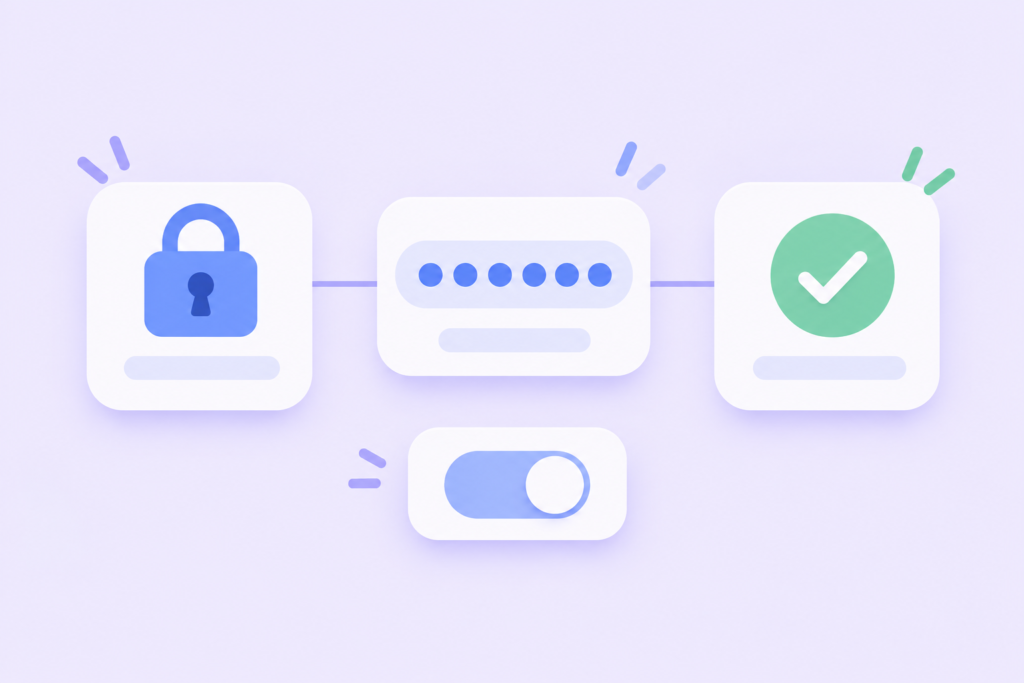
First, turn on two-step authentication for email, the bank, the CRM and ad accounts. Use an authenticator app or a physical key when you can. Second, set a payment verification rule. No new transfer or change to bank details is approved from a single message. It is always confirmed by calling a number you already had saved. A code word agreed with your team also helps against cloned voices or videos.
Third, keep backups that an attacker cannot erase. Keep at least one disconnected from your network and test restoring it. Fourth, turn on automatic updates and prioritize routers, firewalls and VPNs. Fifth, protect email with SPF, DKIM and DMARC. Also train your team with real examples of text and voice messages, because Verizon reports that mobile devices have 40% higher click rates than other channels.
Sixth, limit access. Each person should have only the permissions they need. Former employees' accounts are closed the same day and vendors do not share passwords. Huntress, a security company, reports that abuse of remote management tools grew 277%. Check which remote access programs are installed on your devices. Seventh, protect your marketing accounts with limited admins and mandatory authentication. A hijacked ad account burns your budget and damages your reputation.
Eighth, prepare a one-page response plan. It should say who decides, who to call first and how to notify customers and the bank. Also note that incidents can be reported at ic3.gov. Consider cyber insurance and read what it requires before paying a claim. Some policies ask for minimum controls, such as two-step authentication.
Consider a typical case. It is not real data, but an example of how it would look. A dental clinic receives an audio message with the owner's voice asking to pay an invoice to a new vendor. The receptionist follows the verification rule and calls the owner's saved number. She finds out he asked for nothing. The attempt is logged and reported, and the clinic avoids the loss.
What Do We Still Not Know?
Several figures cannot be compared with each other. The percentages of small businesses attacked change by survey. The ransomware numbers from Verizon, NordStellar and the FBI measure different things. IC3 only counts filed complaints. Its AI scam figure was published for the first time this year, so there is no historical series to compare against.
We also do not know whether Congress will renew CISA 2015 long term after December 11. Nor whether the CIRCIA final rule is out and how it turned out. Much of the data on the effect of AI comes from companies that sell security. Those companies have a commercial interest in highlighting the risk. We will update this article when things change.
When Should You Ask for Help With Cyberattacks on Small Businesses?
When nobody is in charge of this or you already notice warning signs. Some examples are strange emails, locked accounts or unexpected payments. If you suspect an attack already happened, contact an incident response specialist and your bank right away. That technical task requires specific experience. JP Director is a marketing agency and not a cybersecurity firm. Still, it can help you organize access to your ad accounts, your CRM and your site to reduce risk on the marketing side. If you want that support against cyberattacks on small businesses, you can contact the JP Director team.
This topic connects with others we have published. To understand how AI changes what companies can do, read our analysis of Claude Fable and Mythos 5.2. Since Black Friday is one of the riskiest weeks for anyone selling online, check our Black Friday with artificial intelligence guide.
Frequently Asked Questions
How much money was lost to cybercrime in the United States in 2025?
The FBI reported nearly $20.9 billion, up 26% from 2024. That figure only includes filed complaints, so real losses may be higher.
What is the first thing a small business should do to protect itself?
Turn on two-step authentication for email, the bank, the CRM and ad accounts. Then set a rule to verify any new payment with a call to a known number. These are cheap controls that block the most common routes.
Are AI attacks really a risk for small businesses?
Yes, according to the FBI, which logged 22,364 AI scam complaints and about $893 million in losses in 2025. The most common cases try to impersonate an executive or a vendor to move money.
Does my business have to report an attack to the government?
It depends on your industry and your state's laws. The federal CIRCIA rule would apply to certain critical infrastructure companies. It does not appear to cover most small businesses. State data breach laws may apply, and it is worth checking them with a lawyer.
Last updated: November 19, 2026. This article will be updated if Congress renews CISA 2015 or if the status of the CIRCIA rule changes.